Google explains full-stack AI and where makers can start
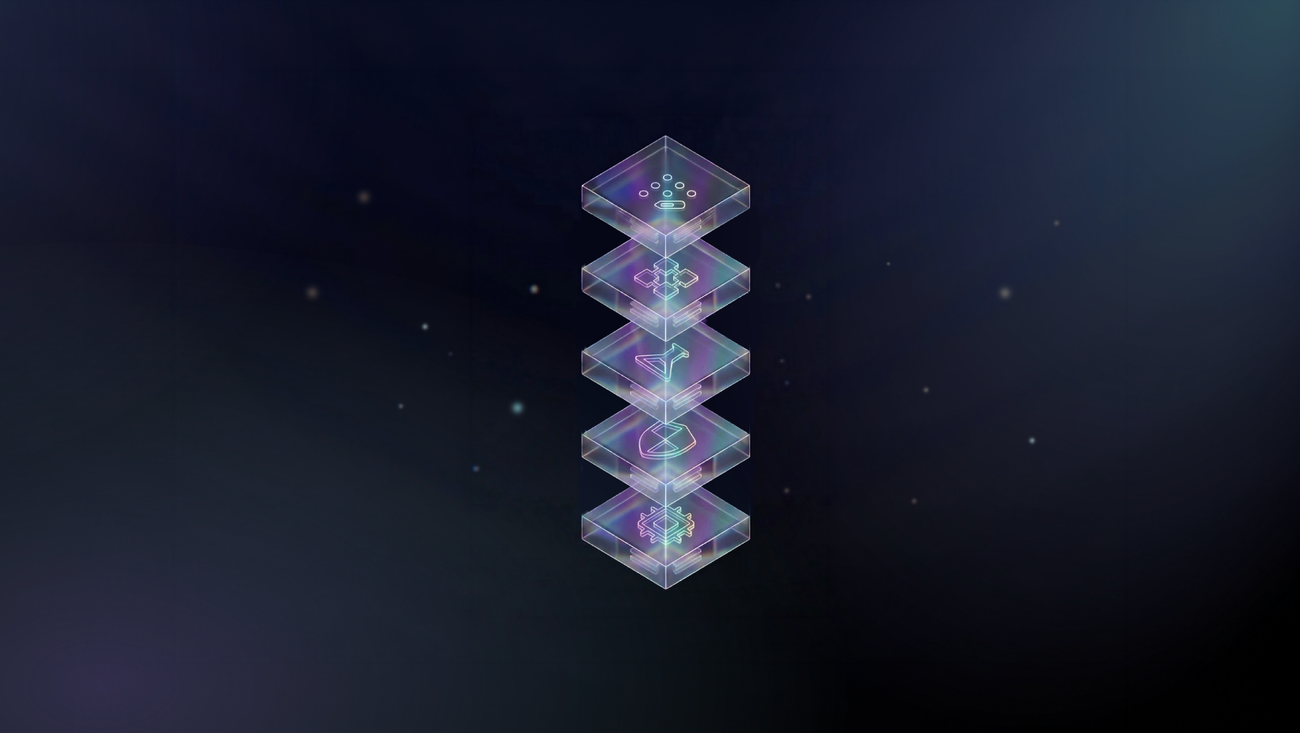
Google’s means offering the main parts needed to build and run AI products as one connected system. Those parts include , an AI model, a platform that coordinates work, and the screens or apps people use.
Google points to its TPU chips, Gemini models from , Platform, and everyday products such as Gmail and Maps as parts of this approach. The claimed benefit is that builders do not have to connect many separate vendors by themselves, and Google can manage reliability across more layers of the system.
Google also says this setup is not meant to be fully closed, because other AI models or outside software can still be connected. Suggested starting points are for quick web app prototypes, Platform for low-code work automation, and Antigravity for more complex apps or agents.
Key points
- means connecting , models, work coordination, and .
- Google’s examples include TPU chips, Gemini models, Platform, Gmail, and Maps.
- Google says the benefits are simpler setup, better reliability, and lower costs from fewer outside vendors.
- is positioned for fast web app prototypes and deployment to Cloud Run.
- Platform targets low-code automation, while Antigravity targets more complex apps and agents.