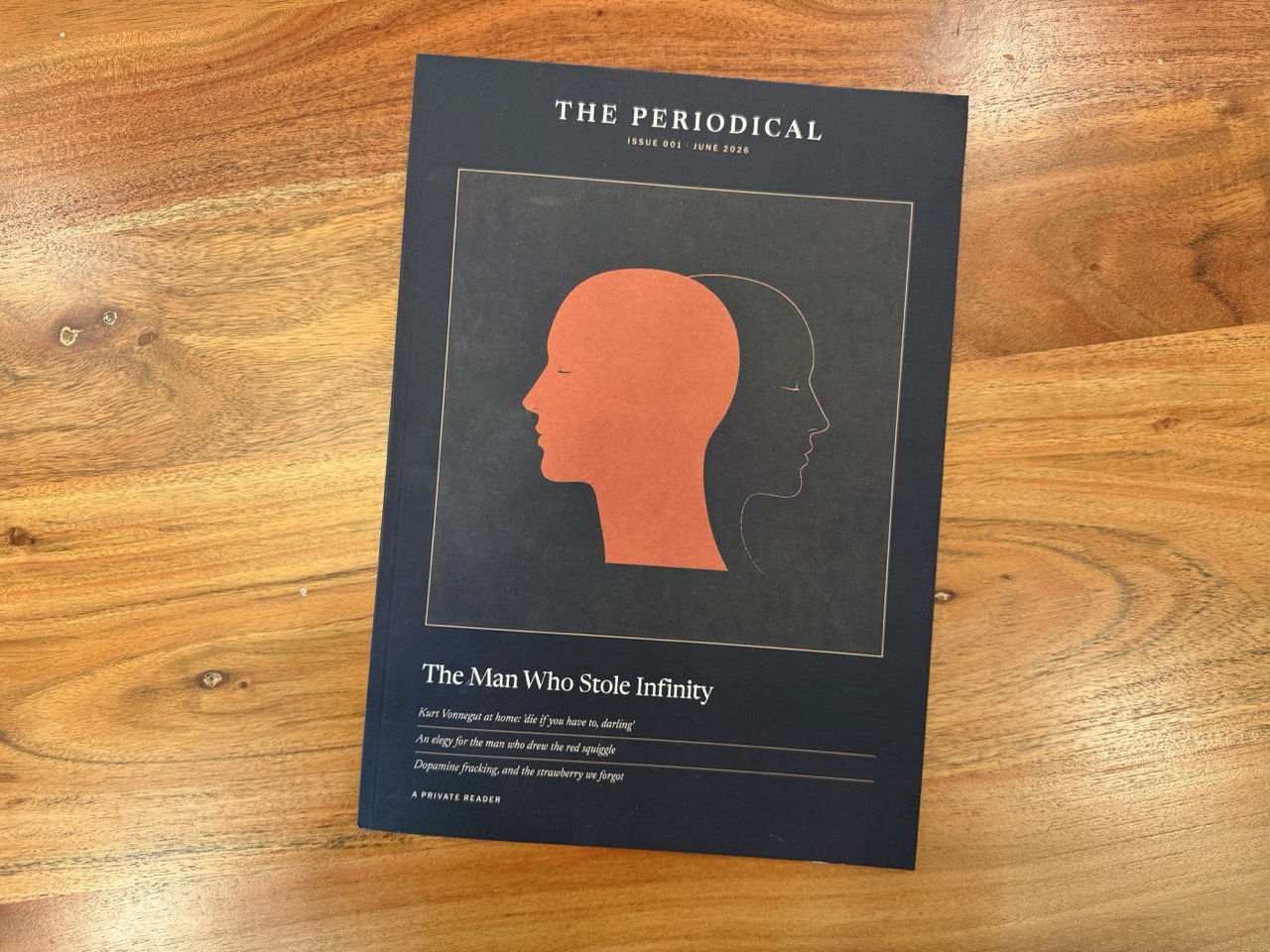
How Claude and Codex Built a Personal Printed Magazine
Six articles saved on a phone became Issue 001 of The Periodical, a private printed magazine with a cover, contents page, editor’s note, and two-column features. Claude Code reads clippings collected with , groups them into sections, chooses the lead story, orders the pieces, and writes the issue title, cover text, and editor’s note. created the type, page, margin, and cover system, while Codex produced the cover illustration.
The source vault stays unchanged, each issue is copied into , and every AI step delivers a separate file so another model can replace it later. An unreliable JavaScript printing setup was abandoned for WeasyPrint, a Python tool that produces PDFs without a browser and allowed the whole pipeline to use one language. Codex initially drew flat shapes with a script instead of using an because the request lacked the $imagegen instruction; after that was fixed, Pillow still had to enlarge the result because the built-in image tool offered no size or quality controls.
A single hexagon example in the instructions also caused repeated hexagon covers, which was corrected by adding varied examples and a rule against overly literal ideas. The finished A4 magazine included one-eighth-inch bleed, embedded fonts, and a cover wrap sized for the paper and page count, while the software used only existing Claude and ChatGPT .
Key points
- Claude Code selected, grouped, and ordered the saved articles and wrote the editorial material.
- checked its layout in the real PDF renderer instead of trusting a browser preview.
- The Codex request needed $imagegen to call the rather than draw shapes through code.
- Pillow enlarged the simple cover art because the image tool could not accept output-size settings.
- Separate files connect , editing, design, illustration, and PDF production, making individual tools replaceable.